
Navigating the property market in Blacktown can feel like a wild goose chase. Sorting through options without knowing what is hiding beneath the surface is genuinely hard, and it is exactly why a building and pest inspection matters. This guide walks through what an inspection involves, the technology a good inspector uses, and how the report helps you make a smart, well-informed decision on your next home or investment.
The role of a building and pest inspector
A building and pest inspector is the eyes and ears for a buyer. We assess a property to detect signs of structural damage or pest activity that can affect its safety, value and liveability, and we report those findings against Australian Standards. The point is not to kill a deal. It is to make sure you go into it knowing what you are buying, so there are no expensive surprises after settlement.
We offer a range of services, from a straightforward pre-purchase inspection to a full structural assessment. In every case we visually examine the accessible areas of the property, walls, ceilings, roof space, subfloor and wet areas, and report their observed condition.
The inspection process, step by step
We work methodically so nothing accessible slips past. Here is how a typical inspection unfolds.
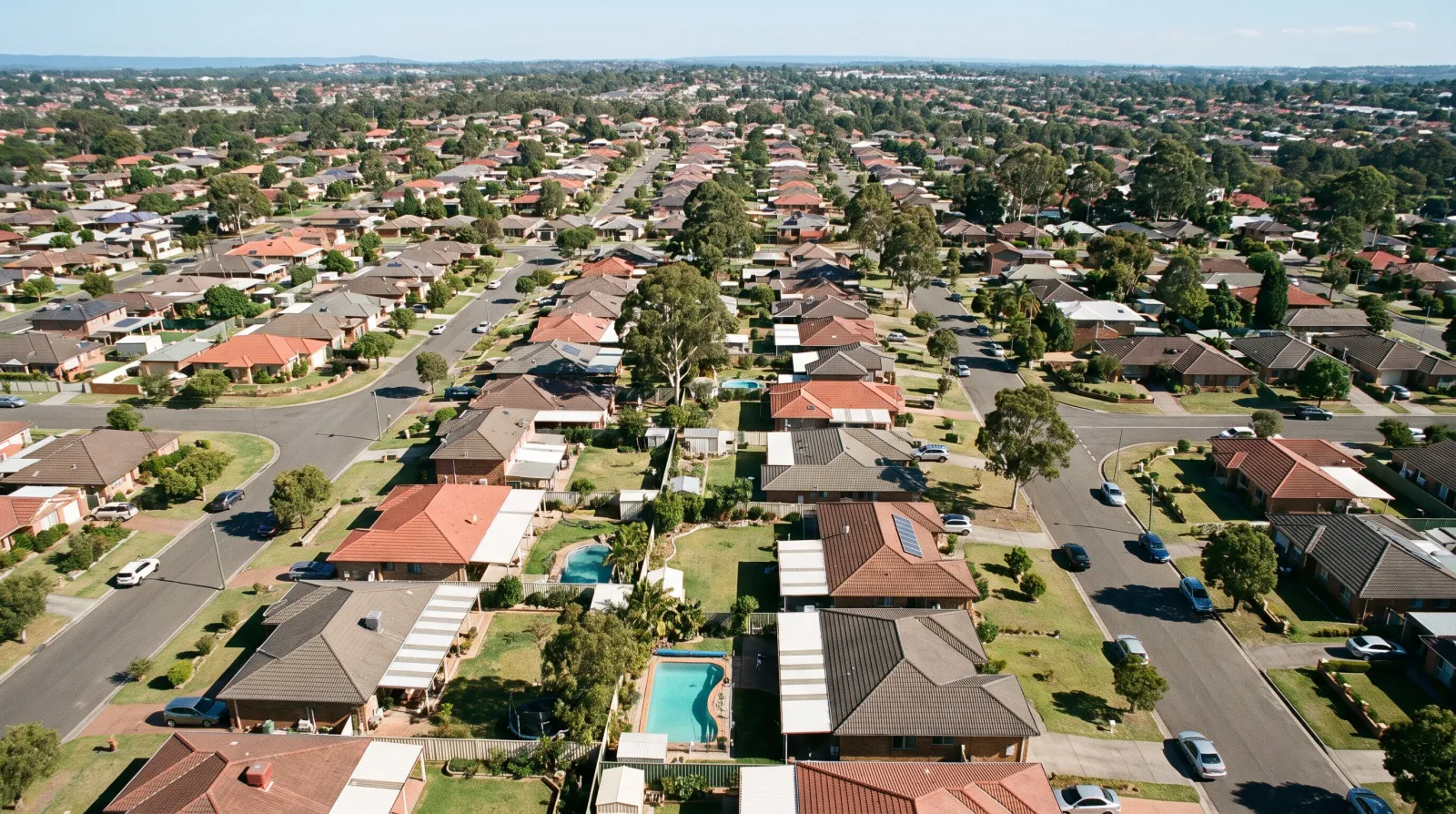
Location analysis
Blacktown and its surrounding suburbs, from Kings Langley and Seven Hills through the newer estates further west, each carry their own quirks. Blacktown lies roughly 34 kilometres west of Sydney's CBD, and the local climate and soils shape how buildings behave. Western Sydney has areas of reactive clay soil, which can move with moisture and lead to footing movement and cracking, and the region carries a genuine risk of subterranean termites. Knowing the area helps us anticipate what to look for before we even step inside.
Building inspection
We examine the structure in detail: roof space and framing, roof exterior, walls, floors, wet areas, and the exterior and grounds. We look for structural movement, water damage, roof and drainage defects, and anything that falls short of a safe, sound building. Everything accessible gets checked, and the significant findings go into a clear condition report.
Pest detection
Termites are the headline concern in this part of Sydney, but they are not the only one. We inspect timber, subfloor and grounds for termites, borers, timber decay, and the damp, poorly ventilated conditions that attract them. Modern tools let us do this without cutting into walls, so your inspection stays non-invasive.
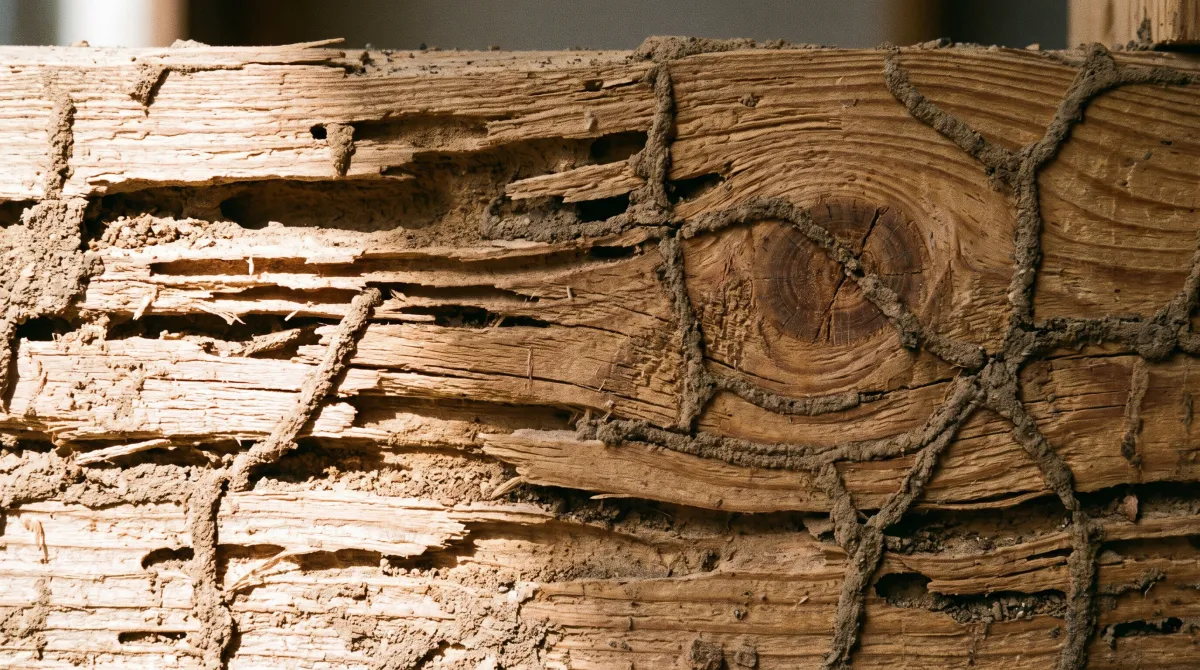
The technology behind a thorough inspection
Good inspectors lean on more than a torch and a screwdriver. A few tools make a real difference to what we can find.
- Thermal imaging. Infrared cameras reveal temperature differences behind surfaces, which can point to hidden moisture, missing insulation or concealed termite activity.
- Moisture meters. These confirm elevated moisture in walls, floors and wet areas, one of the strongest early warnings of leaks and pest-friendly conditions.
- Movement and termite detection tools. Non-invasive devices help confirm activity inside timber without drilling or damage.
None of these replace an experienced eye. They sharpen it, turning a hunch into evidence you can see in the report.
Why the report is the point
The deliverable that matters is the report. A good one is clear, photographed, and written so you can actually act on it. It should meet Australian Standards, so real estate agents and solicitors can rely on it, and it should tell you plainly what was found, what it means, and what to consider next.
How buyers use a report. The findings give you leverage. Significant defects can support a conversation about price or repairs, and in serious cases they can be grounds to reconsider the purchase entirely. Knowledge, in a property deal, is negotiating power.
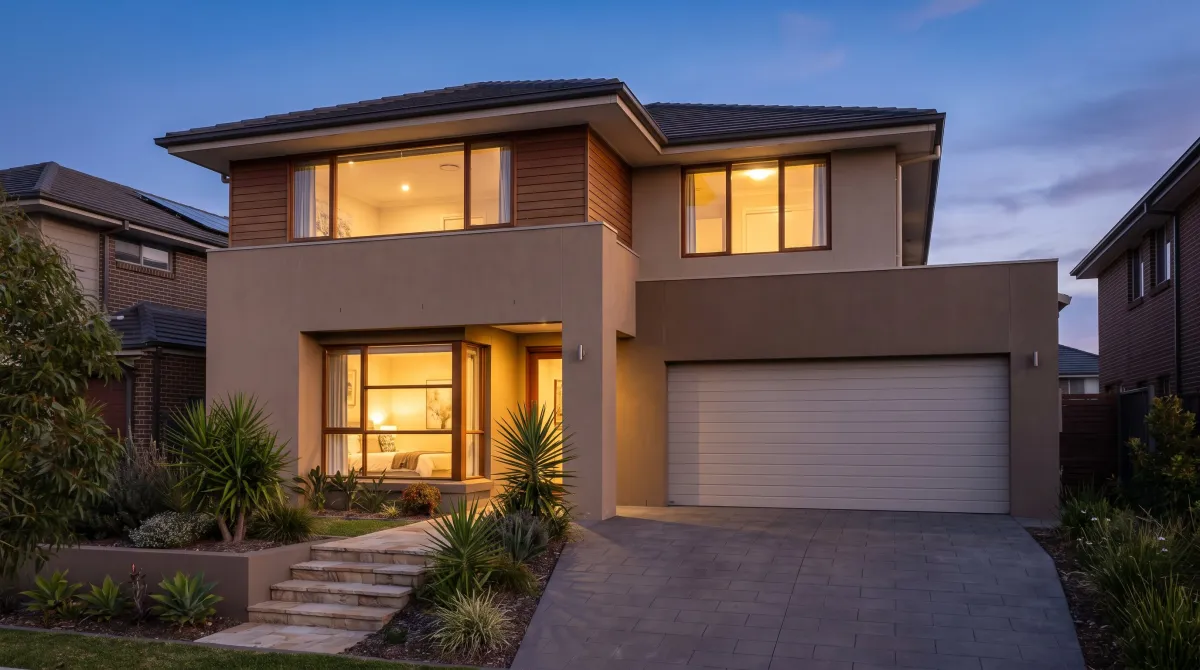
Choosing an inspector in Blacktown
Look for a qualified, licensed and insured inspector who reports to Australian Standards and gives you a clear, photo-backed document rather than a tick-box checklist. Ask what is included, how the report is delivered, and whether you can talk through the findings afterwards. A good inspector is happy to answer all three.
Ready to book?
Do not leave the biggest purchase of your life to chance. Our inspections are tailored to Blacktown and its conditions, from structural checks to termite detection, and every report is written to help you decide with confidence. Get in touch and we will arrange a time and a quote.